What matters when buying Portable Power Station
Understanding Power Output and Capacity
When selecting a portable power station, it is essential to consider both the power output and the capacity. Power output, measured in watts (W), determines the maximum amount of power the station can provide at any given time. This is crucial for running larger devices like refrigerators or power tools. Capacity, measured in watt-hours (Wh), indicates how long the power station can run a device. A higher capacity is beneficial for extended use, such as during camping trips or power outages.
It is advisable to assess the devices that will be powered to ensure the power station can meet their wattage requirements. For instance, small electronics like smartphones may require only 10-20W, while larger appliances can demand significantly more. Understanding these requirements helps in choosing a power station that balances both output and capacity effectively.
Charging Options and Speed
The charging methods available for a portable power station can vary significantly. Common options include AC wall charging, solar charging, and car charging. The flexibility of charging methods can enhance convenience, especially for outdoor activities where access to mains electricity may be limited.
Charging speed is another important factor. Some power stations feature fast charging technology, allowing them to be fully charged in a shorter time frame. This can be particularly useful in emergency situations or during travel when time is of the essence. Checking the specifications for charging times can help in making an informed decision.
Portability and Design
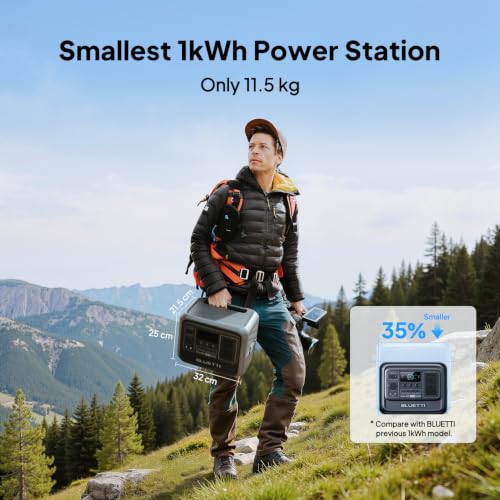
The design and portability of a power station are key considerations, especially for those who plan to use it in outdoor settings. Factors such as weight, size, and handle design can impact ease of transport. Lightweight models may be preferable for hiking or camping, while more robust designs might be suitable for home backup or RV trips.
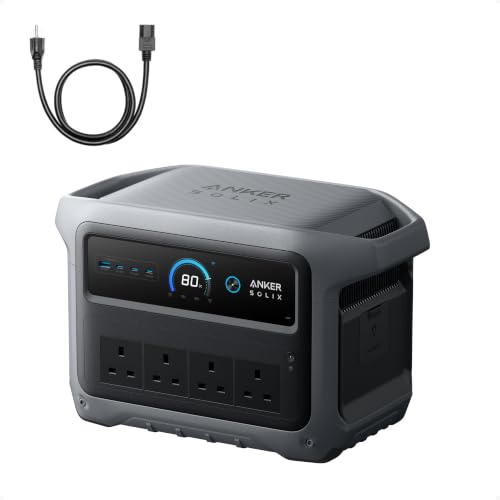
Additionally, the layout of ports and controls can affect usability. A well-designed interface that is easy to navigate can simplify the process of connecting devices and monitoring power levels. It is worth examining the number and types of outputs available, such as USB, AC, and DC ports, to ensure compatibility with various devices.
Durability and Safety Features
Durability is important in a portable power station, particularly for outdoor use. Look for models constructed from robust materials that can withstand rugged conditions. Weather-resistant designs may also be beneficial for outdoor activities in unpredictable environments.
Safety features are equally critical. Many power stations come equipped with built-in protections against overcharging, short-circuiting, and overheating. These features help to safeguard both the power station and the devices being charged, ensuring safe operation during use. Reviewing safety specifications can provide peace of mind when selecting a suitable model.
Footnotes
* Terms such as "best" and similar expressions reflect our personal assessment.
** Prices and availability may have changed since they were last retrieved. The price shown by the seller at the time of purchase applies.
Further important information
We may receive a commission if you make a purchase via the links on our site. This has no impact on the placement of the products on our site. Our website is part of amazon associates program - Amazon, Amazon Prime, the Amazon Logo and Amazon Prime Logo are registered trademarks of Amazon, Inc. or its affiliates. Disclaimer: